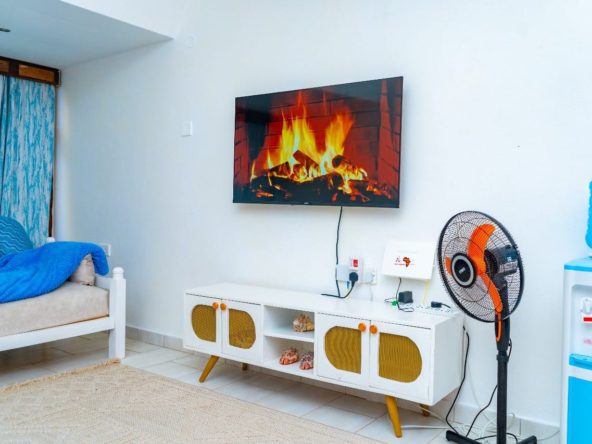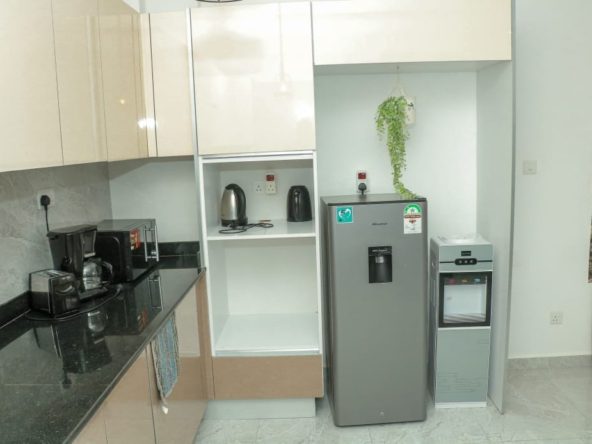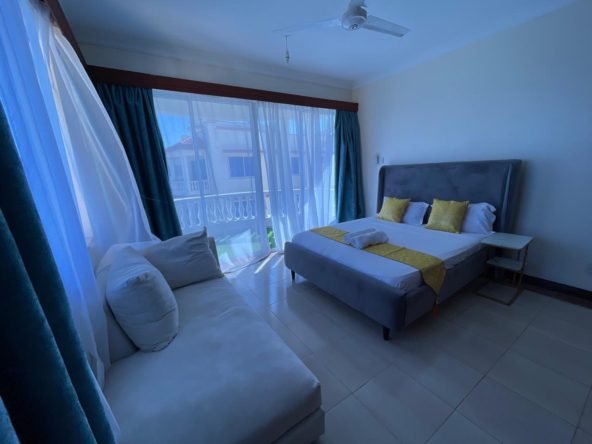


Airbnb in the sharing economy has transformed how people travel, host, and experience destinations around the world. What began as a simple concept of renting out spare rooms has evolved into a global hospitality movement that empowers property owners, connects travelers to authentic experiences, and reshapes local economies. In Kenya, particularly in high-demand areas such as Nyali, Diani, Westlands, and Riverside, Airbnb in the sharing economy continues to redefine accommodation standards while creating new income opportunities for property owners and more personalized stays for guests.
Airbnb in the Sharing Economy: Powerful Global Impact
The sharing economy is built on access rather than ownership, and Airbnb in the sharing economy represents one of the most visible examples of how technology enables individuals to participate directly in global commerce.
Understanding Airbnb in the Sharing Economy
Airbnb in the sharing economy operates on a peer-to-peer model, where property owners make underutilized spaces available to travelers seeking alternatives to traditional hotels. Rather than constructing new hotel infrastructure, the platform optimizes existing residential properties, creating efficient use of resources and generating distributed economic benefits across neighborhoods.
Globally, organizations such as Investopedia’s definition of the sharing economy describe it as a system in which assets and services are shared between private individuals, typically facilitated by digital platforms. Airbnb in the sharing economy perfectly illustrates this model by allowing homeowners to monetize spare capacity while offering travelers more flexible and personalized accommodation options.
Economic Empowerment Through Airbnb in the Sharing Economy
One of the most significant impacts of Airbnb in the sharing economy is economic empowerment. Property owners who previously relied solely on long-term tenants can diversify their income streams through short-term rentals. This flexibility enables homeowners, investors, and professional operators to maximize returns, particularly in high-demand tourism zones like Diani and Nyali.
In Kenya, structured operators such as Haven Suites leverage Airbnb in the sharing economy to optimize occupancy rates while maintaining professional management standards. If you would like deeper insight into how structured hosting increases revenue, explore our guide on how professional Airbnb management increases occupancy rates in Kenya.
By distributing income opportunities across communities rather than concentrating them in large hotel chains, Airbnb, in the sharing economy, allows everyday property owners to participate in global tourism revenue.
Community-Driven Tourism and Local Impact
Airbnb in the sharing economy encourages travelers to stay in residential neighborhoods rather than commercial hotel zones, which naturally drives spending toward local restaurants, markets, and small businesses. When guests stay in Nyali, Diani, or Westlands through professionally managed short-term rentals, they are more likely to engage with local vendors, transportation providers, and community-based experiences.
This community-driven tourism model helps diversify local economies and supports entrepreneurs who might otherwise be excluded from traditional tourism supply chains. Haven Suites embraces this principle by partnering with local cleaning teams, maintenance professionals, and tour providers, ensuring that tourism revenue circulates within Kenyan communities.

Unique Accommodation Options in Airbnb in the Sharing Economy
Unlike traditional hotels that often standardize room design and guest experience, Airbnb in the sharing economy offers diverse accommodation types ranging from studio apartments to beachfront villas and executive serviced apartments. This variety caters to families, remote workers, corporate travelers, and leisure tourists alike.
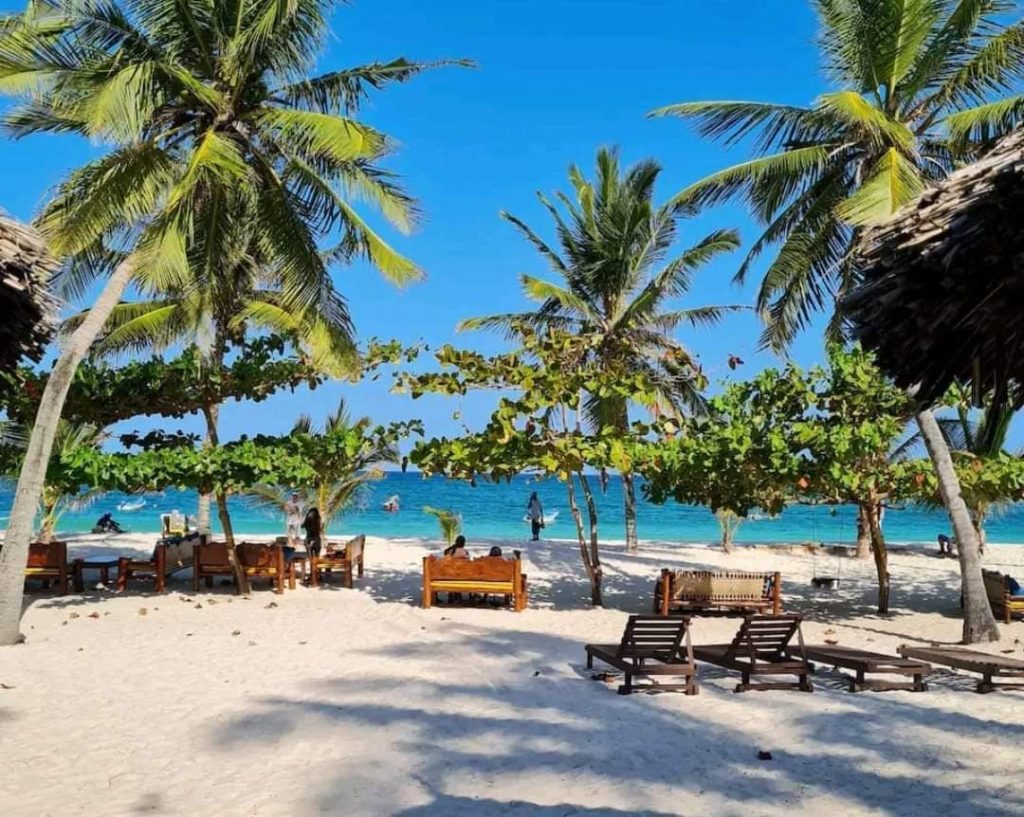
In Nairobi’s executive neighborhoods such as Riverside and Westlands, Airbnb in the sharing economy allows business travelers to stay in fully furnished apartments that provide workspace flexibility, privacy, and extended-stay convenience. Along the coast, guests in Nyali and Diani enjoy ocean proximity combined with residential comfort, creating experiences that hotels may struggle to replicate.
Flexibility and Innovation in Airbnb in the Sharing Economy
Airbnb in the sharing economy has also introduced greater flexibility in booking duration, check-in coordination, and guest communication. Travelers can book short weekend stays or extended multi-week assignments, adapting their accommodation to their lifestyle needs rather than conforming to rigid hotel structures.
Technological advancements continue to expand this model. As digital tools evolve, Airbnb in the sharing economy may integrate enhanced guest verification systems, smarter pricing algorithms, and immersive virtual property tours that increase transparency and guest confidence.
The Role of Haven Suites in Airbnb in the Sharing Economy
At Haven Suites, we operate within Airbnb in the sharing economy by combining the flexibility of the platform with structured professional management. Our properties in Nyali, Diani, and Nairobi are carefully managed to ensure compliance, safety, and operational consistency while leveraging Airbnb’s global visibility.
By listing on Airbnb, Haven Suites is able to reach a worldwide audience of travelers while maintaining the standards expected of a professionally managed short-term rental provider. Our operational systems focus on occupancy optimization, guest communication, property maintenance, and regulatory compliance. To understand our structured approach, read how Haven Suites approaches Airbnb property management in Kenya.
This hybrid model — combining digital marketplace exposure with disciplined property management — demonstrates how Airbnb in the sharing economy can operate sustainably and responsibly.
Challenges and Responsible Growth
While Airbnb in the sharing economy has created numerous opportunities, it also requires responsible management to address regulatory compliance, taxation, zoning considerations, and community concerns. Sustainable growth depends on operators who understand local regulations and maintain structured hosting systems.
Professional operators like Haven Suites prioritize compliance, ensuring that properties align with county regulations and safety standards while maintaining positive neighborhood relationships.
The Future of Airbnb in the Sharing Economy
The future of Airbnb in the sharing economy will likely involve increased collaboration between digital platforms, governments, and professional property managers to create transparent regulatory frameworks and sustainable tourism practices. As travelers demand greater environmental accountability and authentic experiences, structured short-term rental providers will play an increasingly central role.
Airbnb in the sharing economy represents more than a booking platform; it reflects a broader shift toward decentralized commerce, digital entrepreneurship, and experiential travel.
Conclusion: Airbnb in the Sharing Economy and the Kenyan Market
Airbnb in the sharing economy continues to reshape hospitality by empowering hosts, expanding traveler choice, and distributing economic opportunity across communities. In Kenya, particularly in vibrant destinations such as Nyali, Diani, Westlands, and Riverside, this model supports both tourism growth and entrepreneurial participation.
At Haven Suites, we embrace Airbnb in the sharing economy as a tool for structured, responsible, and professionally managed short-term rental operations. By combining global platform reach with disciplined management systems, we contribute to a hospitality model that is flexible, equitable, and sustainable.
Airbnb in the sharing economy is not just changing travel — it is redefining how people participate in the global tourism ecosystem.