

Rise of Airbnb: How Airbnb Redefined Modern Travel

Rise of Airbnb has fundamentally changed the way people explore the world, reshaping the hospitality industry and redefining what travelers expect from accommodation. What began as a simple idea of renting out spare space has evolved into a global movement that prioritizes flexibility, personalization, and authentic local experiences over standardized hotel stays. Today, travelers are no longer limited to traditional hotel rooms — they seek homes, apartments, villas, and curated living spaces that allow them to experience destinations more intimately.
The rise of Airbnb reflects a broader shift in traveler behavior, where comfort, value, and connection matter just as much as location. From beach towns like Diani and Nyali to global capitals, short-term rentals have transformed how people travel, work remotely, and experience culture.
Rise of Airbnb and the Shift in Travel Preferences
The rise of Airbnb did not happen by accident. It emerged during a time when travelers were craving more freedom, more space, and more authentic cultural immersion. Instead of booking identical hotel rooms across cities, guests began choosing accommodations that felt personal and unique.
According to Forbes analysis on the sharing economy and hospitality, platforms like Airbnb have accelerated the movement toward decentralized, experience-driven travel, giving both travelers and property owners new opportunities.
The rise of Airbnb is closely tied to several modern travel trends:
- Desire for authentic local experiences
- Remote work flexibility
- Long-term stay affordability
- Personalized living environments
- Technology-driven booking convenience
The Airbnb Advantage in Modern Travel
1. Personalized Experiences
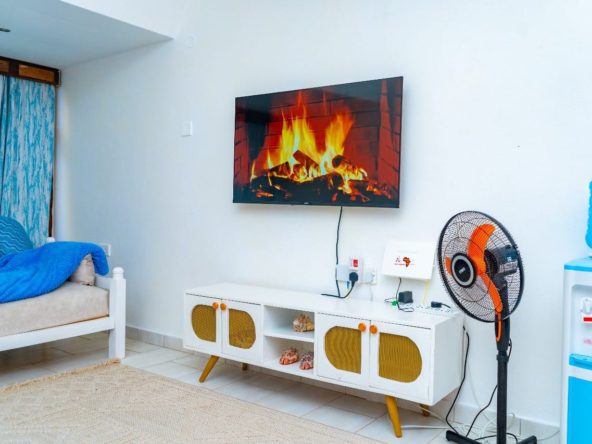
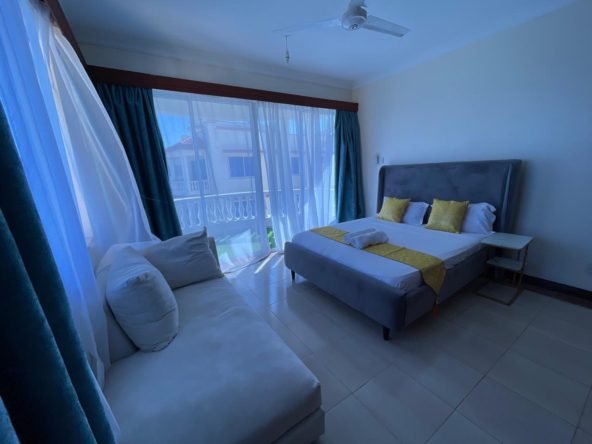
The rise of Airbnb has empowered travelers to choose accommodations that match their lifestyle, whether they prefer minimalist city apartments, coastal villas, or boutique-inspired homes. Unlike hotels, which operate under uniform brand standards, Airbnb listings reflect individual design, local architecture, and personalized touches.
Guests can enjoy:
- Unique accommodations filled with local character
- Host-led recommendations and insider tips
- Tailored stays designed around comfort and convenience
This level of personalization has significantly contributed to the rise of Airbnb across both leisure and business travel segments.
2. Local Immersion and Cultural Connection
One of the strongest drivers behind the rise of Airbnb is the ability to live within neighborhoods rather than tourist districts. Travelers now stay in residential communities, shop at local markets, and discover hidden restaurants that are often missed by traditional tourism routes.
Instead of feeling like temporary visitors, guests experience destinations as locals. This immersion supports community-based tourism and encourages deeper cultural appreciation.
3. Flexibility and Better Value
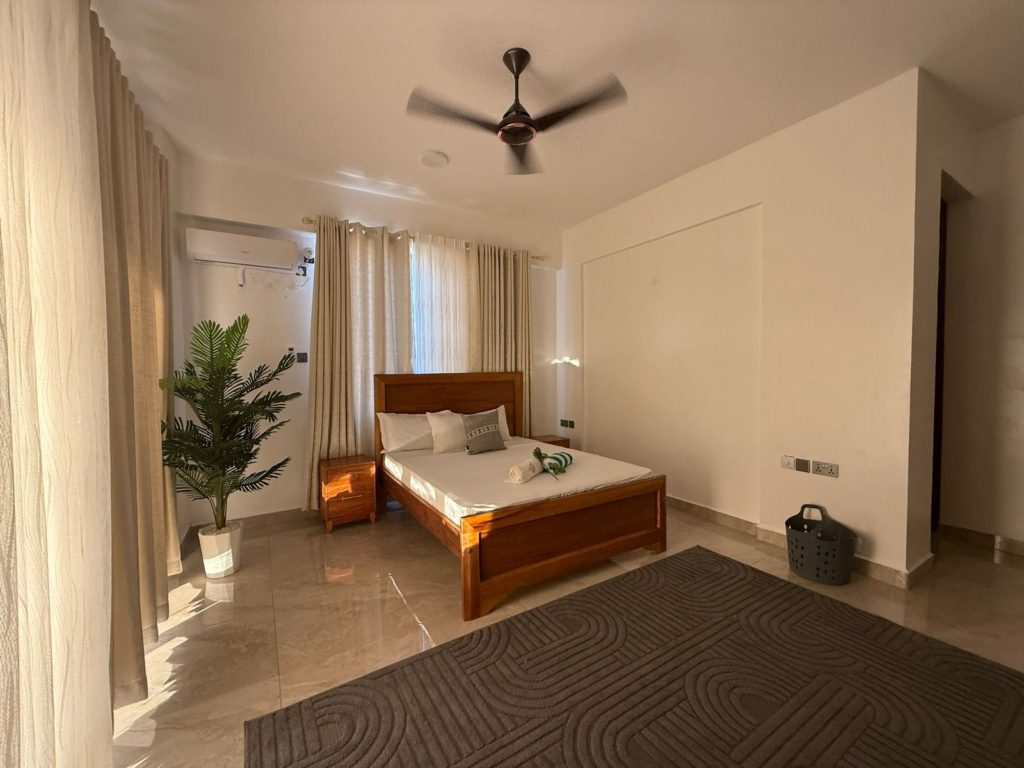
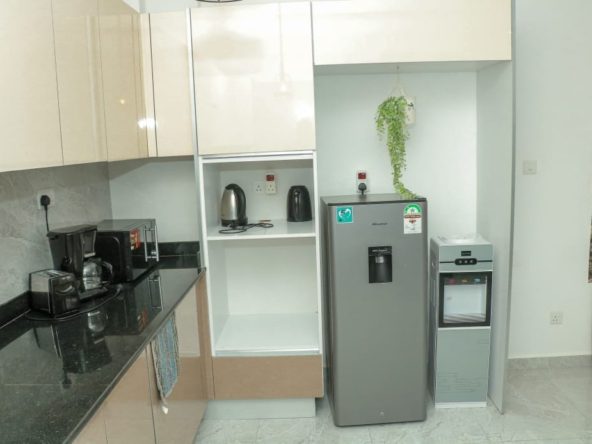
The rise of Airbnb is also closely linked to cost transparency and flexible booking structures. Guests can select their preferred length of stay, access kitchens to reduce dining expenses, and enjoy larger spaces at the same or lower cost than hotels.
For extended stays especially, Airbnb offers clear financial advantages through weekly and monthly discounts, making it attractive for digital nomads, business travelers, and relocating professionals.
4. Ideal for Remote Work and Long-Term Stays
The global shift toward remote work dramatically accelerated the rise of Airbnb. Travelers are no longer limited to short vacations; they now seek “work-from-anywhere” environments that combine reliable internet with comfortable living spaces.
Properties designed for longer stays typically include:
- Dedicated workspaces
- High-speed Wi-Fi
- Full kitchens
- Laundry facilities
- Separate living areas
If you are exploring extended stays in Kenya, our detailed guide on the benefits of serviced apartments for extended stays explains why this model continues to grow.
Rise of Airbnb and Its Impact on Local Economies
The rise of Airbnb has had a measurable impact on local economies by empowering property owners to generate additional income while attracting international tourism into residential communities.
Short-term rentals contribute by:
- Boosting local business activity
- Supporting neighborhood restaurants and shops
- Creating employment opportunities in cleaning and property management
- Encouraging sustainable tourism practices
When professionally managed, Airbnb properties can balance economic benefits with responsible hosting standards.
Safety, Trust, and the Evolution of Airbnb Standards
As the rise of Airbnb expanded globally, safety and trust mechanisms evolved alongside it. Reviews, host verification systems, cleaning protocols, and guest communication tools have strengthened the reliability of short-term rentals.
Today, guests prioritize:
- Verified listings with strong review histories
- Transparent communication
- Secure entry systems
- Professional property management
Our article on safety tips for staying in an Airbnb provides additional guidance for travelers seeking peace of mind.
Rise of Airbnb in Kenya’s Coastal Destinations
The rise of Airbnb is especially visible along Kenya’s coastline, where destinations like Diani, Nyali, and Mtwapa attract both leisure travelers and long-term visitors. Coastal properties combine beach access, spacious layouts, and lifestyle-driven amenities that modern travelers increasingly prefer over traditional hotels.
In these locations, professionally managed short-term rentals blend privacy with hospitality standards, offering guests the comfort of home alongside responsive support systems.
Why Travelers Choose Haven Suites
Haven Suites reflects the rise of Airbnb by combining flexibility with structured hospitality, offering well-managed accommodations in prime coastal locations. Guests benefit from:
- Strategic beachside locations
- Modern, fully furnished interiors
- Reliable internet and workspace-friendly environments
- Professional guest support
- Consistent cleaning and quality standards
This approach captures the best aspects of Airbnb’s flexibility while maintaining boutique-level service quality.
The Future of the Rise of Airbnb
The rise of Airbnb continues to evolve as travel habits shift toward experience-driven exploration. Future growth will likely focus on:
- Increased personalization through technology
- Sustainable travel integration
- Long-term flexible living solutions
- Hybrid hospitality models combining hotels and home stays
As travelers prioritize freedom, space, and authenticity, Airbnb’s influence on global hospitality is expected to remain strong.
Conclusion
The rise of Airbnb represents more than a platform expansion — it marks a transformation in how people experience travel. Guests now value autonomy, local connection, flexibility, and space over rigid accommodation structures. From remote work stays to family beach holidays, Airbnb has created new possibilities that extend beyond traditional tourism.
Haven Suites embraces this transformation by offering structured, professionally managed short-term rentals that deliver both flexibility and comfort. As the rise of Airbnb continues to shape global hospitality, travelers are empowered to choose experiences that align with their lifestyle, not just their itinerary.