

Airbnb legal requirements in Kenya are becoming increasingly important as short-term rentals continue to grow in popularity across Nyali, Diani, Westlands, Riverside, and other high-demand locations. While Airbnb presents a powerful income opportunity for property owners, failure to understand and comply with local laws can result in penalties, shutdowns, or unnecessary legal exposure. Whether you are a new host or an established operator, understanding Airbnb legal requirements in Kenya is essential for building a sustainable and stress-free short-term rental business.
Airbnb Legal Requirements in Kenya: A Complete Compliance Guide
At Haven Suites, compliance is not an afterthought but a foundational pillar of professional short-term rental management, ensuring that every property operates within Kenya’s regulatory framework while protecting both guests and property owners.
Zoning Regulations and Airbnb Legal Requirements in Kenya
One of the first considerations under Airbnb legal requirements in Kenya involves zoning laws, which determine whether short-term rentals are permitted within specific residential or commercial areas. Some counties restrict short-term rental activity in purely residential zones, while others require special approvals or classify such properties under commercial or mixed-use designations.
Hosts must verify zoning permissions with county authorities before listing their property, as operating in non-compliant zones may result in enforcement actions or fines. Haven Suites works closely with local regulations to ensure that properties under management meet zoning expectations in both coastal and Nairobi locations.
Licensing and Permit Requirements
Airbnb legal requirements in Kenya often include obtaining appropriate business licenses and county approvals before operating a short-term rental. Depending on the county, hosts may need a single business permit, tourism-related approvals, or accommodation permits that specify maximum occupancy levels.
Additionally, some jurisdictions require registration for tourism or hospitality classification, especially in high-traffic areas such as Nyali and Diani. Property owners who wish to understand the broader regulatory landscape can also read our detailed article on whether you need a business license to run Airbnb in Kenya, which explains the licensing structure in greater depth.
Taxes and Financial Compliance
Taxation is a critical part of Airbnb legal requirements in Kenya, and hosts must understand their obligations regarding income tax, value-added tax (VAT), and any applicable local levies. Rental income must be declared to the Kenya Revenue Authority, and in some cases, hosts may be required to register for VAT if their annual revenue exceeds the prescribed threshold.
Occupancy-related levies may also apply depending on county regulations, making accurate record-keeping essential for long-term compliance. For a detailed breakdown of fiscal obligations, you can explore our guide on understanding Airbnb taxes in Kenya, which outlines VAT, withholding tax, and local levy considerations.
Insurance and Liability Protection
Airbnb legal requirements in Kenya extend beyond permits and taxes to include adequate insurance coverage that protects property owners from liability related to property damage, personal injury, or guest disputes. While Airbnb provides certain platform-level protections, hosts are strongly advised to obtain specialized short-term rental insurance policies that align with local legal frameworks.
Comprehensive insurance coverage ensures that hosts remain financially protected in the event of accidents, structural damage, or third-party claims.
Health, Safety, and Building Compliance
Ensuring that properties comply with local building codes and safety standards forms another essential component of Airbnb legal requirements in Kenya. Properties must meet fire safety regulations, including functioning smoke detectors, accessible fire extinguishers, and clear evacuation pathways. In addition, sanitation standards must be maintained, particularly in kitchens and shared facilities, to ensure guest well-being.
Professional short-term rental operators such as Haven Suites maintain structured inspection systems that verify ongoing compliance with safety standards across managed properties.
Neighborhood Relations and Community Responsibility
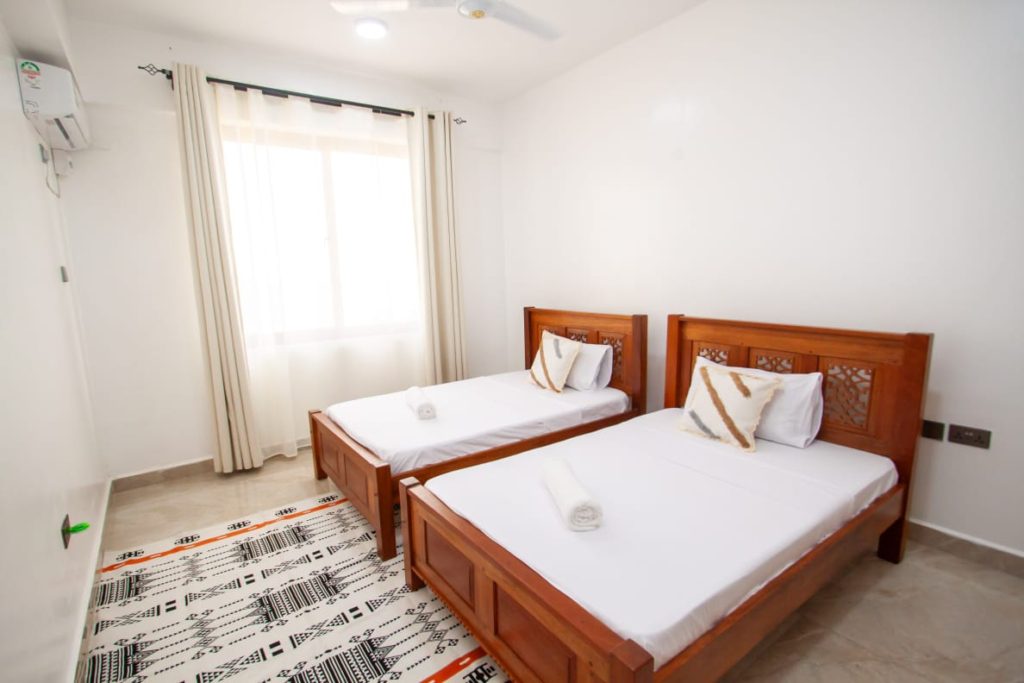
Compliance is not only legal but also social, as Airbnb legal requirements in Kenya intersect with neighborhood expectations regarding noise levels, guest conduct, and property usage. Responsible hosting includes clear house rules, guest screening procedures, and prompt communication to prevent disturbances that may attract complaints or regulatory scrutiny.
Hosts are encouraged to maintain transparent communication with neighbors and adhere to local noise ordinances to preserve positive community relations.
Airbnb Platform Compliance and Best Practices
Beyond local government regulations, Airbnb legal requirements in Kenya also include adherence to platform standards such as accurate listing descriptions, honest amenity representation, and responsive guest communication. Violating platform policies can lead to listing suspension or removal, making transparency and professionalism essential.
For global best practices in short-term rental regulation and travel standards, hosts may also reference trusted international travel authorities such as the Lonely Planet Kenya travel guide, which highlights tourism governance trends and responsible travel expectations.
Haven Suites: A Structured Approach to Airbnb Legal Requirements in Kenya
At Haven Suites, compliance with Airbnb legal requirements in Kenya is central to our operational philosophy, as we understand that long-term success in short-term rentals depends on structured oversight, regulatory alignment, and disciplined management systems. Our properties across Nyali, Diani, Westlands, Riverside, and Kilimani operate within defined legal frameworks to ensure both guest safety and investor protection.
By staying informed about evolving regulations, tax policies, zoning laws, and safety standards, Haven Suites ensures that property owners enjoy peace of mind while guests benefit from secure and professionally managed accommodation.
Understanding Airbnb legal requirements in Kenya is not optional — it is the foundation of sustainable short-term rental success.