

Entering the short-term rental market can be highly profitable, but only when structured correctly from the beginning, especially when creating a setup checklist. Many new investors in Kenya purchase apartments in areas like Westlands, Riverside, Kilimani, Nyali, or Diani with strong income expectations, only to realize later that successful Airbnb performance requires far more than furnishing a unit and uploading photos.
This Airbnb Setup Checklist for New Investors in Kenya outlines every critical step required before launching your property. Whether you are buying your first one-bedroom in Nairobi or setting up a coastal holiday apartment, this guide will help you avoid costly mistakes and position your investment for long-term success.
1. Confirm Zoning & Building Approval
Before furnishing or listing your unit, verify that short-term rentals are permitted.
You must confirm:
- County zoning classification
- Building management policies
- Whether short-term stays are allowed
- Minimum stay restrictions
Many investors overlook zoning and later face operational restrictions. If you are unfamiliar with this process, reviewing our detailed guide on Zoning Laws and Airbnb in Kenya can help you understand how classification affects profitability.
Skipping this step can completely alter your projected returns.
2. Register Your Business & Secure Licensing
Airbnb is considered a commercial activity once you begin generating income. Most counties require:
- A Single Business Permit
- Business name registration (if applicable)
- Tax registration with KRA
Depending on your income level, you may need to consider income tax obligations, VAT thresholds, or withholding tax structures. The Kenya Revenue Authority provides guidance on rental income compliance under its Rental Income Tax framework.
Proper compliance protects your business from penalties and ensures long-term operational stability.
3. Run Conservative Income Projections
Before investing in furniture or décor, calculate realistic revenue.
Forecast using:
- Conservative nightly rate (not peak season only)
- 65%–70% average occupancy assumption
- Annual evaluation rather than monthly excitement
For example:
Nightly Rate: KES 5,500
Average Occupancy: 21 nights per month
Gross Monthly Revenue: KES 115,500
Then subtract:
- Management fees (typically 15%)
- Cleaning and laundry
- Utilities
- Maintenance reserve
- Platform fees
If you need a deeper breakdown of forecasting methods, our guide on How to Forecast Airbnb Income Before Buying Property in Kenya explains the process step-by-step.
Never buy based on marketing projections alone.
4. Design & Furnish for Your Target Market
Airbnb’s performance depends heavily on presentation.
Ask yourself:
- Are you targeting corporate guests?
- Holiday families?
- Remote workers?
Your furnishing strategy must align with demand.
Minimum furnishing checklist:
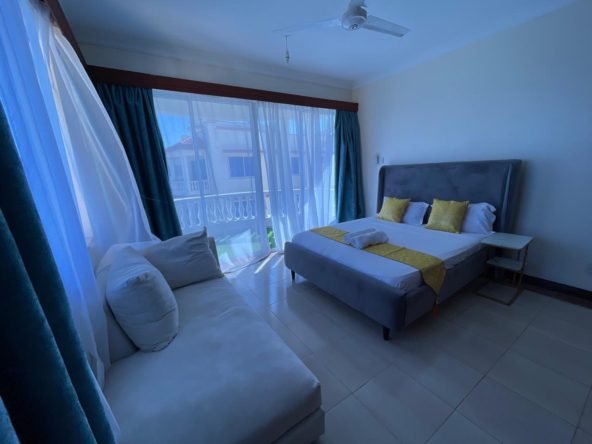
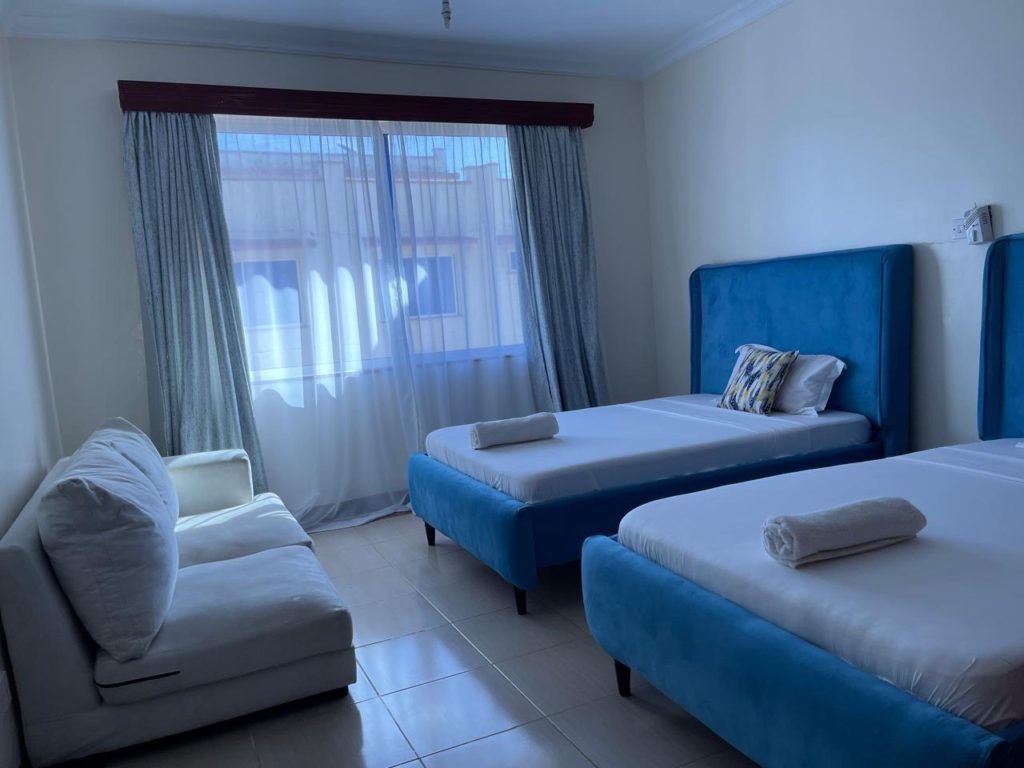
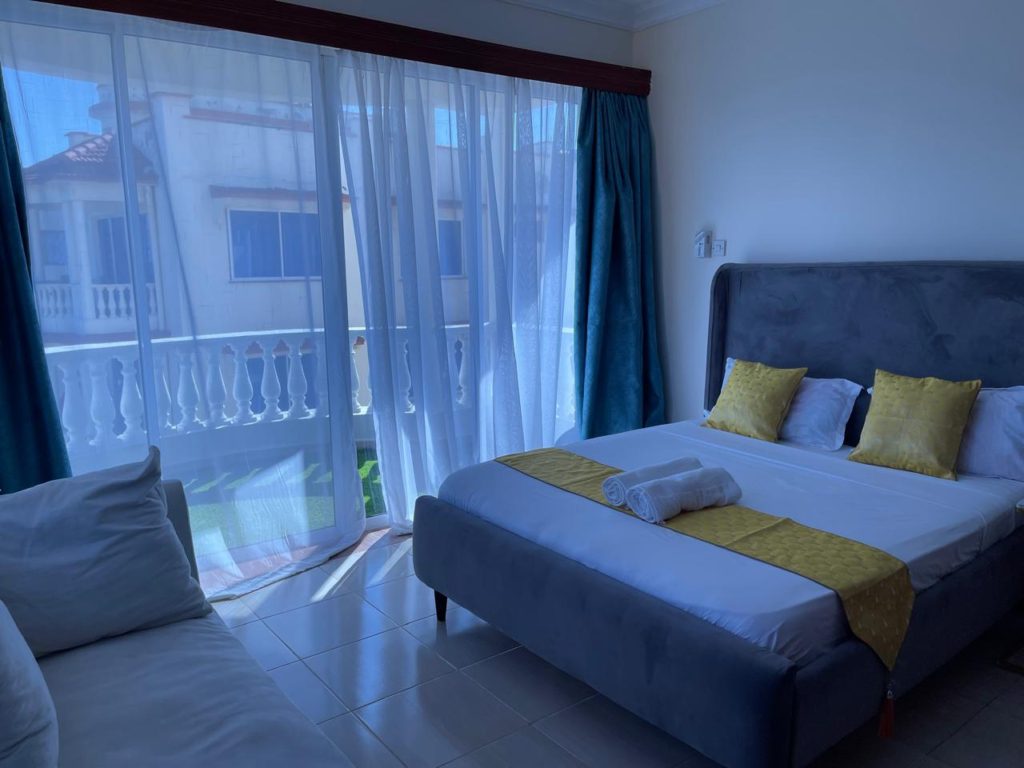
- Comfortable mattress and high-quality bedding
- Reliable WiFi
- Functional air conditioning (Coast) or heating
- Work desk and chair (for executive zones)
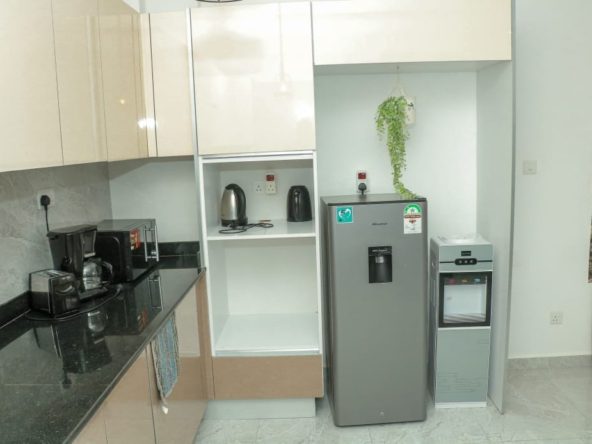
- Full kitchen setup
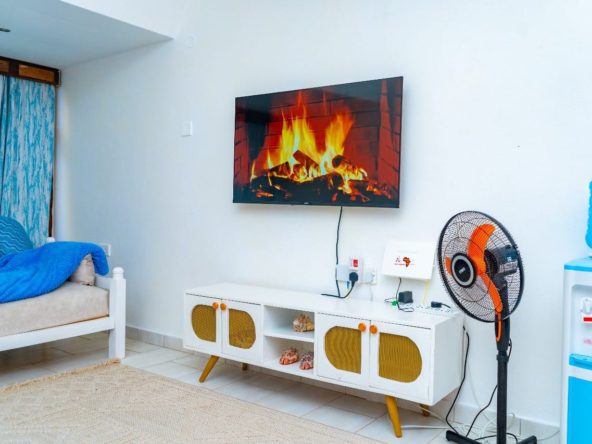
- Smart TV
- Backup power if available
Cheap furnishing leads to poor reviews. Durable, neutral, modern design increases booking conversion and longevity.
5. Install Utility & Energy Controls
Utility costs can significantly affect profitability.
Before launching, consider:
- LED lighting installation
- Water heater timer switches
- Energy-efficient appliances
- Water leak inspection
Reducing electricity and water usage protects both your margins and long-term sustainability.
6. Set Up Professional Photography
Photography directly impacts conversion rates.
Your listing must include:
- Well-lit wide-angle room shots
- Clear bedroom presentation
- Bathroom cleanliness visuals
- Balcony or view highlights
- Building amenities
Listings with professional photos consistently outperform those with phone images — even when pricing is identical.
7. Build a Structured Pricing Strategy
Pricing must adapt to:
- Peak seasons
- School holidays
- Corporate travel cycles
- Long weekends
- Low-season demand
Fixed pricing reduces yield.
Dynamic pricing increases occupancy while protecting peak potential.
Professional management systems — such as those implemented by Haven Suites — monitor competitor activity and adjust rates consistently.
8. Create Clear House Rules & Guest Policies
Before accepting bookings, define:
- Maximum guest count
- Check-in and check-out times
- Noise policies
- Event restrictions
- Security procedures
Clear expectations prevent disputes and protect your asset.
9. Establish Cleaning & Maintenance Systems
Short-term rentals experience heavy turnover.
You must set up:
- Reliable cleaning team
- Laundry logistics
- Post-checkout inspection process
- Preventive AC servicing schedule
- Emergency repair contacts
Without structured oversight of cleaning, reviews decline rapidly.
10. Implement Guest Screening & Communication Workflow
Airbnb rewards fast response times and high ratings.
Before launch, prepare:
- Automated inquiry responses
- Pre-arrival instructions
- Check-in details
- Emergency contact protocol
- Post-stay review follow-up
Guest screening reduces risk. Review profile history before confirming bookings.
11. Prepare Financial Tracking & Reporting
Separate personal and Airbnb finances.
Set up:
- Dedicated bank account
- Expense tracking sheet
- Monthly performance summary
- Tax-ready documentation
Clear reporting improves compliance and long-term decision-making.
12. Decide: Self-Manage or Hire Professional Management?
Self-management requires:
- Daily availability
- Pricing monitoring
- Cleaning coordination
- Maintenance supervision
- Guest communication discipline
Many new investors underestimate the time commitment.
Professional Airbnb management converts short-term rentals into structured income assets, handling:
- Dynamic pricing
- Listing optimization
- Guest screening
- Cleaning coordination
- Maintenance oversight
- Performance tracking
This allows investors to focus on strategy rather than daily operations.
Common Mistakes New Investors Make
- Buying before forecasting income
- Ignoring zoning restrictions
- Under-furnishing the unit
- Overestimating occupancy
- Underestimating operating costs
- Failing to register for licensing
- Lack of a checklist to follow
Airbnb is not passive by default. It becomes scalable when structured properly.
Final Thoughts
The Airbnb market in Kenya remains strong — but it is no longer casual.
Success depends on preparation: following a checklist, ensuring compliance, leveraging pricing intelligence, implementing operational systems, and protecting assets.
New investors who follow a structured Airbnb Setup Checklist for New Investors in Kenya significantly reduce risk and increase long-term profitability.
Before launching your unit in Nairobi or the Coast, ensure each step above is carefully addressed.
Because in Kenya’s competitive short-term rental market, setup determines performance.