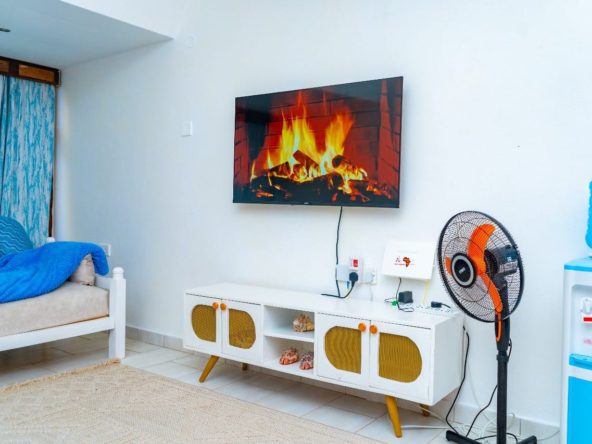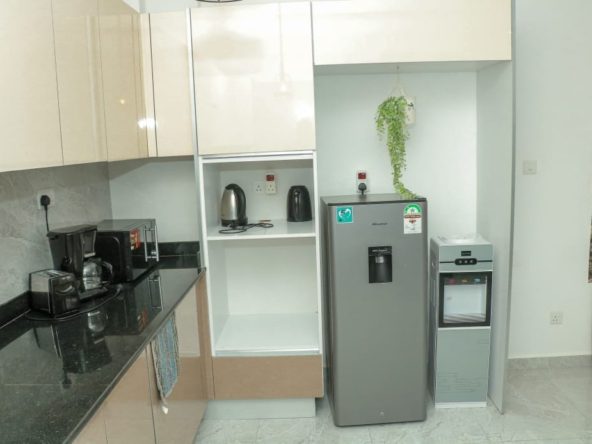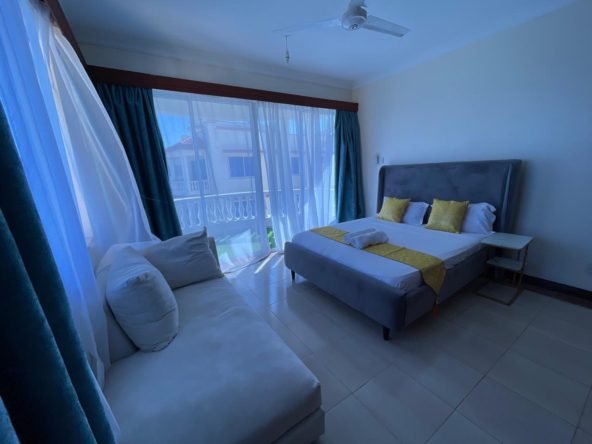

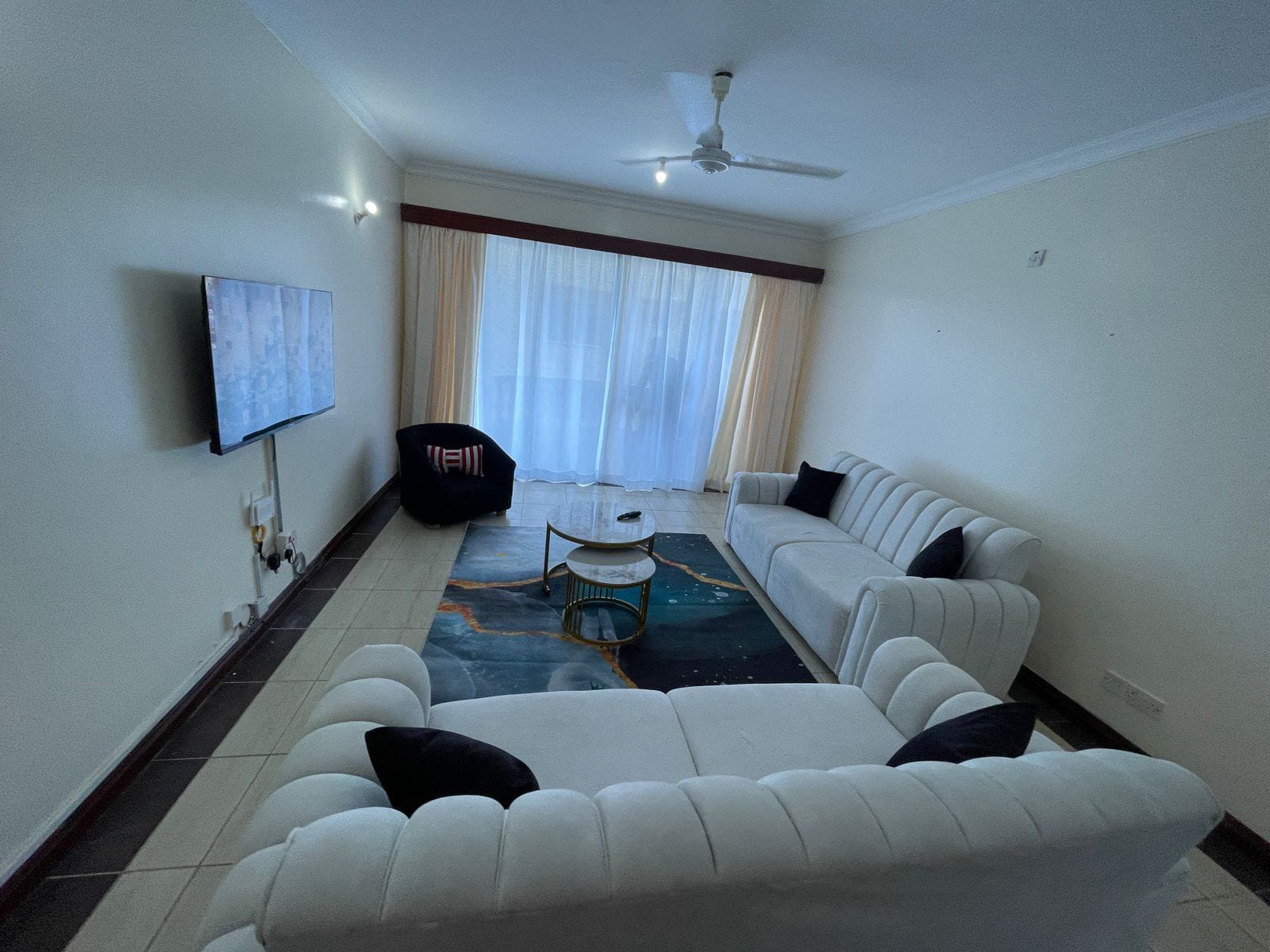
At Haven Suites, inventory and asset management are treated as operational pillars — not afterthoughts. Protecting the property protects the investor’s returns. When investors calculate Airbnb returns, most attention goes to revenue.
But long-term profitability is equally determined by how well the unit’s physical assets are protected.
Furniture, appliances, linen, electronics, and kitchenware all depreciate over time. Without structured oversight, replacement costs quietly increase and slowly reduce net income.
Why Inventory Management Matters in Short-Term Rentals
Unlike long-term leases, short-term rentals experience:
- Frequent guest turnover
- Higher wear and tear
- Increased cleaning cycles
- Heavy linen usage
- Constant appliance strain
This operational intensity directly affects profitability models often discussed in realistic Airbnb income forecasting before purchase, where investors typically focus on revenue assumptions but underestimate asset depreciation.
Replacing items reactively instead of strategically increases long-term costs.
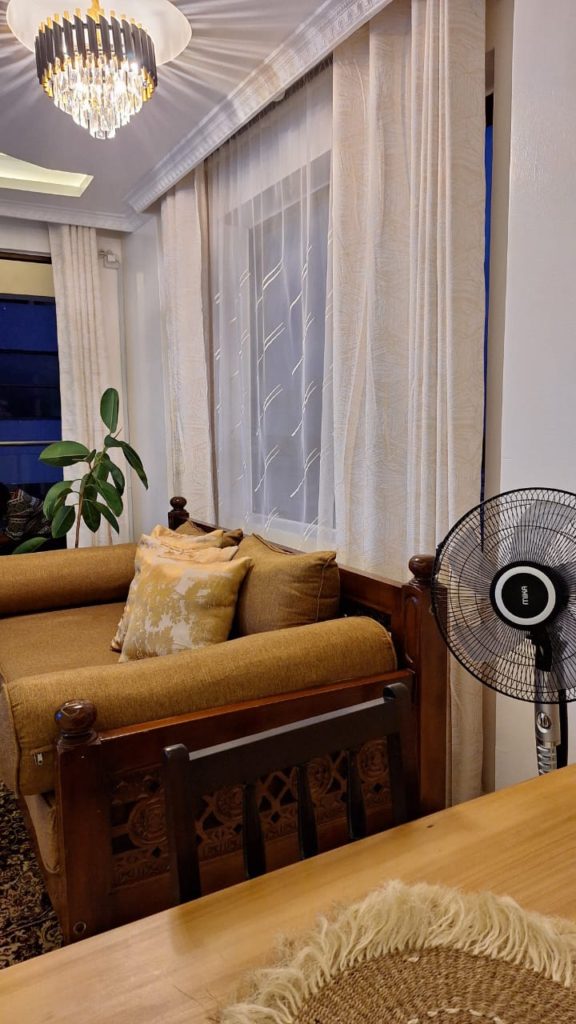
Step 1: Create a Detailed Inventory Register
Every short-term rental should begin with a structured inventory record.
This should include:
- Furniture pieces
- Electronics
- Kitchen appliances
- Utensils and cookware
- Linen sets
- Decor items
- Cleaning equipment
Each item should be documented with:
- Quantity
- Purchase date
- Estimated replacement cycle
This documentation builds accountability and financial clarity. Properties operating under defined structured operational procedures for Airbnb management consistently outperform those managed informally.
Step 2: Implement Linen Rotation Systems
Linen is one of the highest recurring operational costs.
Best practice includes:
- Minimum of 2–3 full linen sets per bed
- Separate towel rotation tracking
- Clear washing standards
- Routine stain and damage inspection
Without rotation systems, linen deteriorates quickly, and replacement frequency increases. Clean, well-maintained bedding also contributes directly to maintaining a high guest rating — a core factor in building a consistent 5-star guest experience system.
Step 3: Proactive Wear & Tear Monitoring
Small issues become expensive problems when ignored.
Routine inspections should evaluate:
- Sofa and upholstery condition
- Mattress support and comfort
- Appliance performance
- Wall paint and surface condition
- Plumbing fixtures
Preventive maintenance extends asset lifespan and protects long-term capital appreciation.
Globally, hospitality asset management research within broader travel and tourism asset performance studies consistently highlights how preventative oversight reduces long-term replacement costs — a principle equally applicable to Kenyan short-term rentals.
Step 4: Track High-Risk & Frequently Lost Items
Certain items are more vulnerable to loss or breakage:
- Towels
- Cutlery
- Glassware
- Remote controls
- Small kitchen appliances
Periodic audits identify recurring patterns and reduce unnoticed shrinkage. In multi-unit operations, centralized oversight systems — often discussed when automating Airbnb management processes — help standardize tracking across properties.
Step 5: Budget for Depreciation
Every asset has a lifespan.
Investors should allocate a portion of their monthly income toward:
- Furniture replacement cycles
- Appliance upgrades
- Interior refresh projects
- Deep maintenance interventions
Ignoring depreciation reduces property appeal and long-term valuation. Structured reinvestment protects competitiveness in areas where yield comparisons — such as short-term rental performance across prime Nairobi zones — are influenced by presentation quality and asset condition.
Step 6: Maintain a Reliable Vendor Network
Operational speed protects reviews and revenue.
Every short-term rental should maintain ready access to:
- Electrician
- Plumber
- Appliance technician
- Cleaning supervisor
- General handyman
Quick response prevents downtime, protects bookings, and reduces the likelihood of negative reviews.
The Financial Impact of Poor Asset Oversight
Without structured inventory management, investors may experience:
- Increasing operational costs
- Frequent emergency replacements
- Declining guest satisfaction
- Lower review ratings
- Reduced net yield over time
Asset neglect does not create immediate loss — it erodes profitability gradually.
Why Structured Oversight Strengthens ROI
Short-term rentals are hospitality businesses operating inside physical real estate assets.
Revenue performance, asset protection, and guest experience are interconnected.
Inventory oversight ensures:
- Clear documentation
- Controlled replacement cycles
- Cost transparency
- Long-term property preservation
Airbnb’s success is not only about occupancy — it is about maintaining the asset that generates that occupancy.
Final Thoughts
Inventory and asset management are often invisible — but they are foundational to long-term profitability.
A sustainable short-term rental in Kenya requires:
- Structured inventory registers
- Linen rotation systems
- Routine inspections
- Preventative maintenance
- Depreciation planning
When assets are protected, income remains stable.
Smart investors treat their Airbnb not just as a listing — but as a long-term hospitality asset requiring disciplined operational oversight.