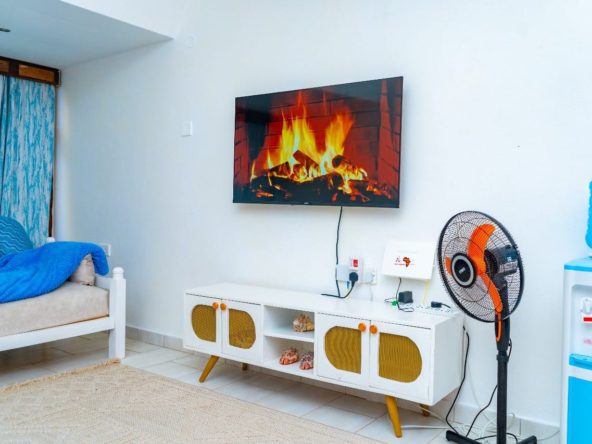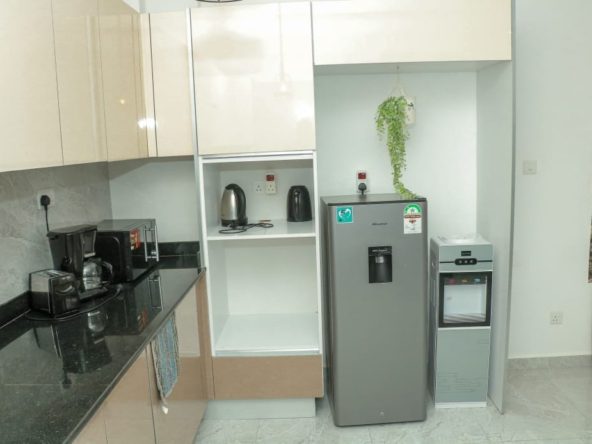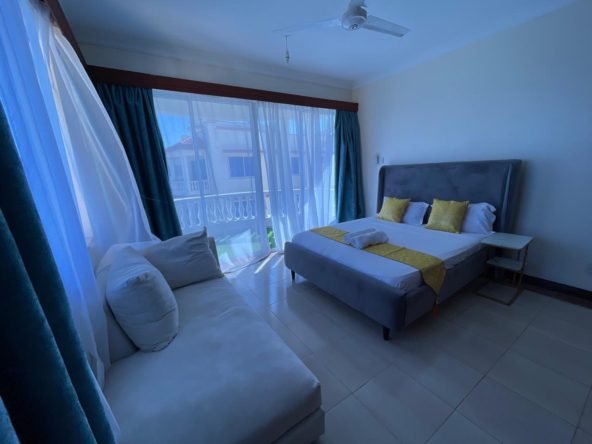


A 1 bedroom Airbnb Nairobi investment remains one of the most common entry points into Kenya’s short-term rental market. Compared to larger apartments, one-bedroom units are more affordable to purchase, easier to furnish, and attract consistent demand from business travelers, consultants, remote workers, diaspora visitors, and short-stay corporate guests.
However, before buying, every investor asks the same practical question: how much can a 1 bedroom Airbnb Nairobi actually generate in real income?
The honest answer depends on four core variables — location, nightly pricing, occupancy rate, and management quality. In this 2026 data guide, we break down realistic performance numbers using current Nairobi market trends.
Why One-Bedroom Units Remain Popular in Nairobi
One-bedroom apartments dominate short-term rental supply in prime Nairobi zones such as Westlands, Riverside, Kilimani, and Kileleshwa. They appeal to:
- Corporate consultants on short contracts
- UN and NGO professionals
- Medical visitors
- Solo diaspora travelers
- Remote workers staying 2–8 weeks
Because these guests do not require multiple bedrooms, one-bedroom units maintain steady demand throughout the year — especially in executive-driven neighborhoods.
This demand profile is one reason why many investors compare short-term performance with traditional leases, as discussed in Airbnb vs traditional renting in Kenya. In prime zones, short-term rentals often outperform fixed leases when professionally managed.
Average Nightly Rates in 2026
In high-demand Nairobi neighborhoods, a well-furnished 1 bedroom Airbnb Nairobi unit typically charges:
- KES 4,500 to KES 6,500 per night
Premium units with strong interiors, fast WiFi, secure compounds, swimming pools, backup power, and gyms average between:
- KES 5,500 to KES 6,000 per night
The difference between a KES 4,500 unit and a KES 6,000 unit is rarely just location. It usually reflects presentation quality, staging, photography, and pricing intelligence.
Professional listing optimization and dynamic pricing significantly influence rate strength, which is why understanding how professional Airbnb management increases occupancy rates becomes critical for investors seeking maximum performance.
Occupancy Rates in Prime Nairobi Zones
Occupancy determines profitability more than nightly rate alone.
In 2026, professionally managed one-bedroom units in Westlands, Riverside, and Kilimani are averaging:
- 65% to 75% annual occupancy
High seasons, including corporate travel months and holiday periods, can push occupancy above 80%. Slower months may dip closer to 60%.
For conservative calculations, we use 70% average annual occupancy.
70% occupancy translates to approximately:
21 booked nights per month
Realistic Monthly Revenue Calculation
Let’s use realistic mid-range data:
- Average nightly rate: KES 5,500
- Average occupancy: 21 nights per month
21 × 5,500 =
KES 115,500 gross monthly revenue
On an annual basis:
115,500 × 12 =
KES 1,386,000 gross annual revenue
This represents strong performance for a well-positioned 1 bedroom Airbnb Nairobi unit operating under structured management systems.
Understanding the Real Expenses
Gross revenue does not equal profit. Many first-time investors overestimate returns by ignoring operating costs.
Typical monthly expenses include:
- Management fee (often 15%)
- Cleaning and laundry after each stay
- Electricity, water, and internet
- Guest consumables and restocking
- Minor maintenance and repairs
- Platform service fees
Using our KES 115,500 example:
15% management fee = KES 17,325
Operational expenses (utilities, cleaning, maintenance) typically range between:
KES 20,000 to KES 25,000 per month
After expenses, a realistic net income range becomes:
KES 70,000 to KES 78,000 per month
This is before mortgage or loan servicing.
Annual Return Expectations
Assuming net monthly income averages KES 74,000:
74,000 × 12 = KES 888,000 net annual income
If the property purchase price is KES 8,500,000, this represents:
Approximately 10% to 12% gross yield, depending on structure and financing.
Well-optimized units may reach 13% to 15% returns in prime executive areas.
For broader global short-term rental comparisons, industry analysis from travel and hospitality insights shows that urban short-term rentals continue to outperform long-term leasing in high-demand business hubs when professionally managed.
What Makes the Biggest Difference in Earnings?
Two identical one-bedroom apartments in the same building can perform very differently.
The highest-impact factors include:
- Strategic pricing adjustments
- Professional photography
- Modern, cohesive furnishing
- Fast WiFi reliability
- Review management
- Targeting executive and corporate guests
Listings maintaining review ratings above 4.7 consistently outperform lower-rated units in both occupancy and pricing power.
Airbnb’s internal algorithm rewards responsiveness, consistency, and guest satisfaction — not simply availability.
Location Still Matters
Not all Nairobi areas perform equally.
High-performing zones for a 1 bedroom Airbnb Nairobi investment include:
- Westlands
- Riverside
- Kilimani
- Kileleshwa
- Gigiri
These neighborhoods attract corporate, diplomatic, and medical traffic year-round.
Units located far from business hubs or in less secure developments may experience lower occupancy or pricing pressure.
Common Investor Mistakes
Many first-time buyers underestimate:
- Cleaning coordination complexity
- Maintenance oversight needs
- Utility cost volatility
- Seasonal demand fluctuations
- Importance of structured management
Airbnb success is not automatic. Without systems, occupancy declines and reviews suffer.
Is a 1 Bedroom Airbnb in Nairobi Still Worth It in 2026?
Yes — but only when approached strategically.
A 1 bedroom Airbnb Nairobi investment remains attractive because:
- Entry cost is lower than larger units
- Demand pool is broad
- Furnishing capital is manageable
- Executive travelers prefer compact units
However, profitability depends on structured pricing, disciplined management, and consistent guest standards.
At Haven Suites, one-bedroom units are treated as performance-driven assets rather than casual listings. Dynamic pricing adjustments, occupancy monitoring, and preventive maintenance systems help stabilize long-term returns.
Final Thoughts
A realistic, professionally managed 1 bedroom Airbnb Nairobi unit can generate approximately KES 1.3 to 1.4 million in annual gross revenue, with net returns often landing between KES 800,000 and KES 950,000 depending on efficiency and financing structure.
The difference between average and high-performing units lies in operational discipline, pricing intelligence, and consistent review management.
Before purchasing, investors should evaluate not only purchase price — but projected occupancy, expense structure, and management systems.
Because in Nairobi’s competitive short-term rental market, profitability follows structure.