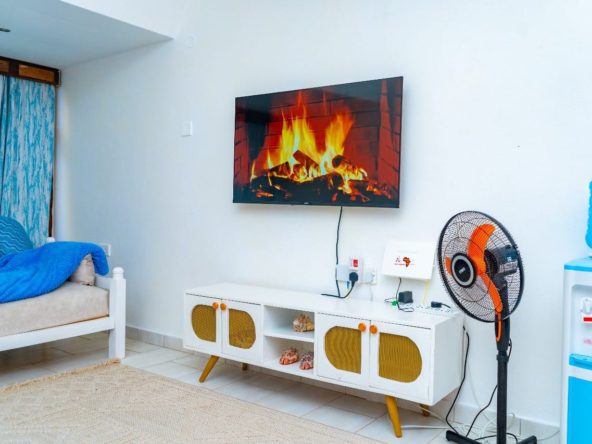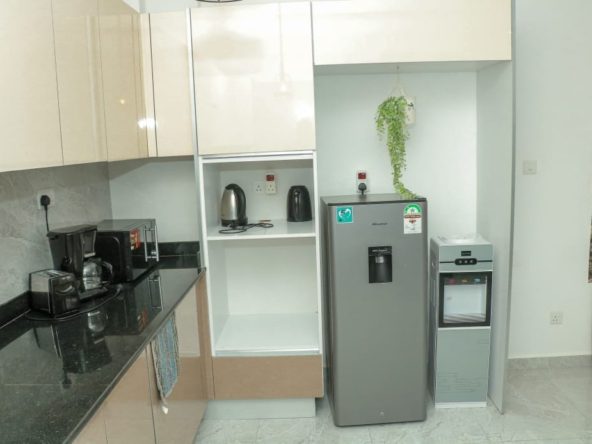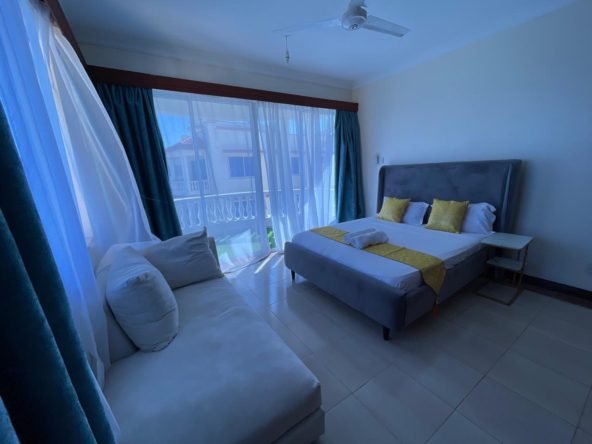

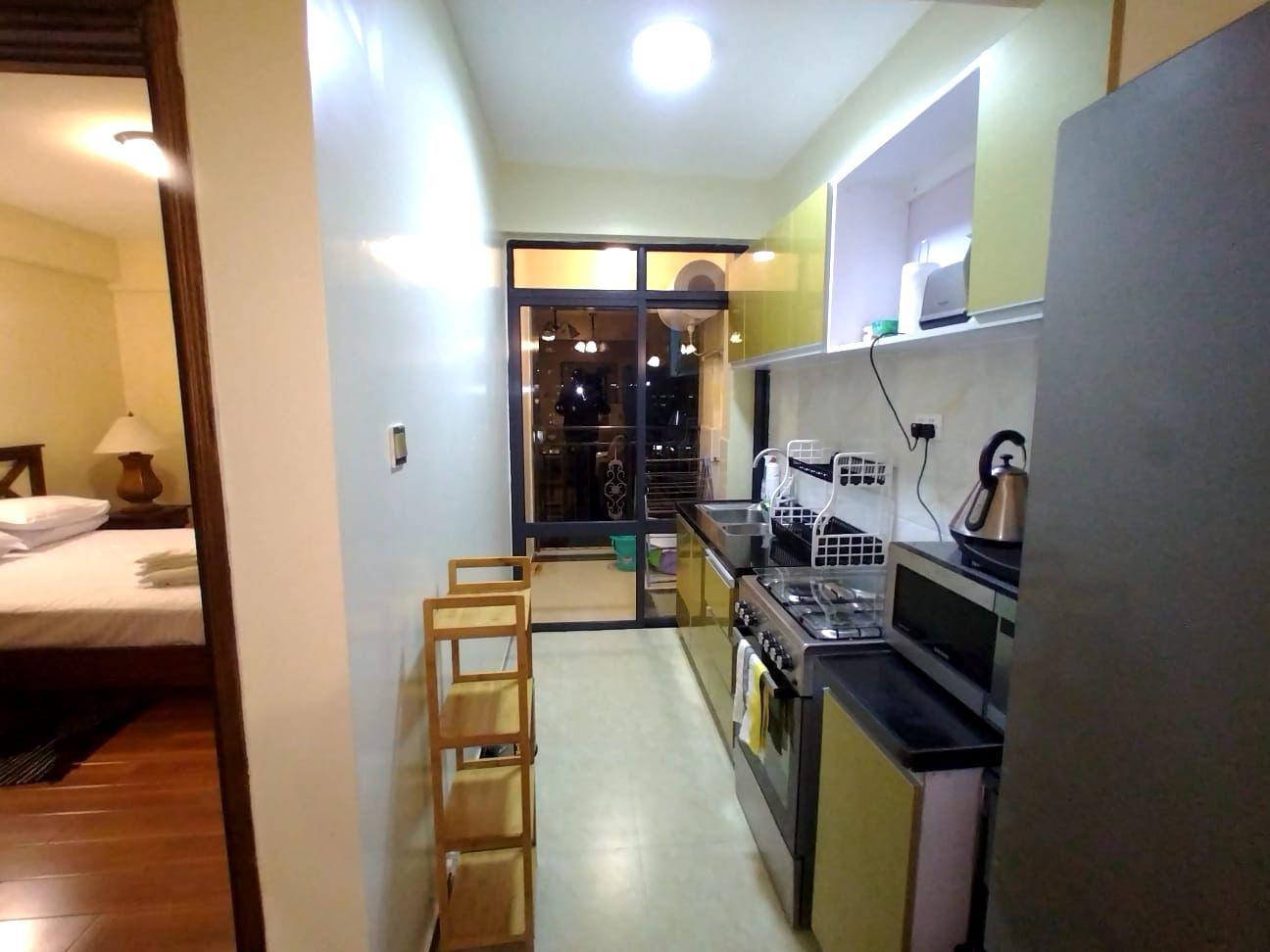
Monthly rentals vs Airbnb has become one of the most important conversations in Kenya’s evolving property market, particularly in high-demand locations like Westlands, Riverside, Kilimani, Nyali, and Diani. Landlords are no longer limited to choosing between a 12-month lease or nightly bookings. At the same time, long-term guests such as corporate professionals, diaspora returnees, medical visitors, and remote workers are seeking accommodation models that balance flexibility, comfort, and cost efficiency. The decision today is no longer simple — it is strategic.
Understanding which model performs better requires looking beyond surface-level assumptions. The right answer depends on flexibility, pricing structure, risk distribution, location strength, and management quality.
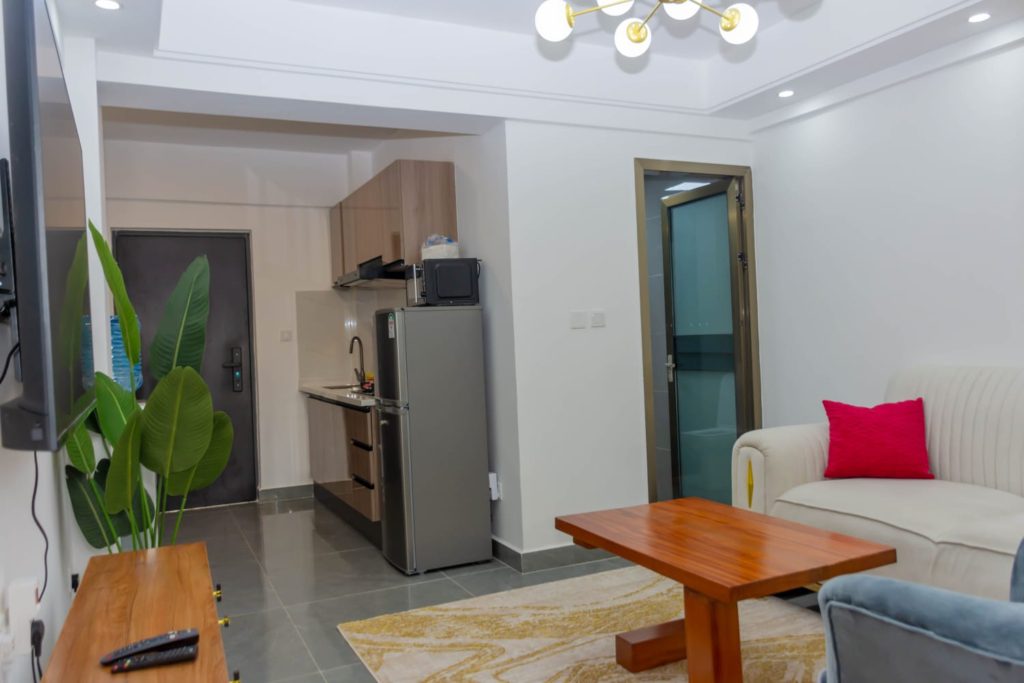
Understanding Monthly Rentals in Kenya
Monthly rentals typically refer to stays lasting 30 days or more without committing to a traditional 12-month lease. This model has grown popular among:
- Corporate relocations
- UN and NGO professionals
- Medical patients and families
- Diaspora visitors on extended stays
- Project-based consultants
In many cases, monthly agreements are negotiated privately outside structured platforms. While they provide stable occupancy, they often reduce flexibility for both the landlord and the guest.
How Airbnb Supports Long-Term Guests
Many investors assume Airbnb only works for short stays. In reality, the platform allows 30-day, 60-day, and even 90-day bookings while maintaining flexible cancellation structures and verified guest profiles. Professionally managed listings often combine dynamic pricing with structured oversight, as explored in how Airbnb property management works in Kenya.
This flexibility is one reason the global short-term rental sector continues expanding, supported by broader travel and accommodation market growth insights showing increased demand for hybrid stay models that blend work and leisure.
Flexibility: Where Airbnb Has an Edge
Monthly Rental Model
- Fixed monthly cost
- Stable commitment period
- Reduced guest turnover
However, once signed, pricing cannot adjust mid-stay. Early exits may require negotiations. Deposits are typically required.
Airbnb Long-Term Stay Model
- Flexible booking durations
- Structured platform payment system
- Verified guest accounts
- Easier extension or reduction of stay
For corporate professionals and mobile workers, this flexibility is extremely valuable — especially in business hubs like Westlands and Riverside where executive mobility is common.
Pricing Strategy Differences
With monthly rentals, landlords typically set a discounted flat rate. For example, a 2-bedroom in Westlands may rent for KES 150,000 per month.
On Airbnb, the same property might list at KES 6,500 per night, with automatic monthly discounts applied. Even with a reduced 30-day rate, structured pricing strategies often remain competitive, particularly when guided by data-driven methods similar to those discussed in advanced Airbnb pricing strategies for Kenyan hosts.
Dynamic pricing allows owners to adapt to:
- Conference seasons
- School holidays
- Diplomatic movements
- Tourism peaks
Monthly rentals lack this flexibility once agreed.
Risk & Security Considerations
Risk distribution is one of the most overlooked elements in the monthly rentals vs Airbnb debate.
Monthly Rental Risks
- Tenant default
- Eviction complexity
- Long dispute resolution timelines
- Income interruption during vacancy
Airbnb Long-Term Stay Risks
- Seasonal occupancy fluctuation
- Review sensitivity
- Higher utility exposure
However, Airbnb spreads risk across multiple verified guests rather than one long-term tenant. Payment processing occurs through the platform, reducing default risk.
Property Oversight & Maintenance
Long-term tenants may delay reporting maintenance issues, allowing damage to accumulate unnoticed. In contrast, structured short-term rental systems involve periodic cleaning inspections and communication oversight.
This approach aligns with operational frameworks outlined in standard operating procedures for Airbnb properties, where preventive maintenance protects long-term asset value.
Guest Experience: A Key Performance Factor
Long-term guests today expect:
- Stable high-speed internet
- Functional kitchens
- Quiet workspaces
- Professional communication
- Secure environments
Professionally managed Airbnb apartments in Westlands, Riverside, Nyali, and Gigiri often outperform informal monthly setups because they operate under structured guest-readiness standards rather than ad-hoc arrangements.
Financial Comparison Example
Let’s compare simplified projections:
Monthly Rental:
KES 150,000 fixed monthly rate.
Airbnb Long-Term Stay:
KES 6,500 per night × 30 nights with discount ≈ KES 165,000–175,000.
Even after a 15% management fee, net returns may remain competitive or higher in prime areas.
In peak seasons, nightly strategy may significantly outperform monthly flat rates. This is particularly relevant in coastal zones where seasonality directly impacts short-term rental income.
Location Strength Determines Strategy
In high-demand markets such as:
- Westlands
- Riverside
- Nyali
- Gigiri
- Diani
Airbnb long-term stays often compete strongly due to corporate and diplomatic demand.
In lower-demand areas, monthly rentals may offer more predictable stability.
The Hybrid Strategy Advantage
Some landlords combine both models strategically:
- Airbnb during high season
- Monthly rentals during low season
This hybrid model allows owners to balance occupancy stability and revenue maximization while maintaining flexibility.
So, Are Monthly Rentals Better Than Airbnb?
The answer is not universal.
Monthly rentals provide stability and predictability. Airbnb provides flexibility, structured payment systems, dynamic pricing, and broader guest reach.
In competitive markets like Westlands, Riverside, Nyali, and Gigiri, professionally managed Airbnb long-term stays often match or outperform traditional monthly rentals — especially when supported by structured systems, transparent reporting, and data-driven pricing.
At Haven Suites, the short-term rental strategy is treated as a business model, not a casual side activity. Structured management transforms variability into measurable performance.
Ultimately, the better option depends on your property’s location, your financial goals, and your appetite for operational involvement. In Kenya’s evolving rental landscape, flexibility combined with strategy consistently outperforms rigidity.