

Sustainable Airbnb hosting is no longer a global buzzword — it is becoming a practical operational standard in modern hospitality. As short-term rentals continue to grow across Kenya, particularly in high-demand areas like Nyali, Diani, Westlands, Riverside, and Kilimani, resource consumption has increased alongside guest demand. Electricity usage, water consumption, waste production, and high guest turnover all affect both the environment and operating costs.
At the same time, modern travelers are becoming more conscious of how their accommodation choices impact local communities and ecosystems. Property owners who adapt early are not only protecting the environment — they are strengthening long-term profitability.
Sustainable Airbnb hosting is therefore not just an ethical decision. It is a strategic one.

What Is Sustainable Airbnb Hosting?
Sustainable Airbnb hosting refers to operating short-term rentals in a way that reduces environmental impact while maintaining guest comfort and operational efficiency. It focuses on:
- Reducing energy consumption
- Conserving water
- Minimizing waste
- Supporting local communities
- Protecting long-term property value
Importantly, sustainability does not necessarily require expensive renovations. It often involves smarter operational systems and disciplined management.

In Kenya, sustainability matters especially in coastal ecosystems like Diani and Nyali, as well as high-density urban zones such as Westlands and Kilimani where shared infrastructure is under pressure.
1. Energy Efficiency: Reducing Electricity Usage
Electricity is one of the highest recurring costs in short-term rentals. Air conditioning, water heaters, lighting, televisions, and kitchen appliances can significantly increase monthly bills.
Effective sustainable Airbnb hosting includes:
- Installing LED lighting throughout the property
- Using energy-efficient air conditioning units
- Adding timer switches to water heaters
- Encouraging guests to switch off AC when leaving
- Installing motion-sensor lights in hallways
Reducing electricity usage lowers operational expenses while decreasing environmental strain. Operational efficiency and sustainability often move in the same direction.
For hosts seeking structured oversight, understanding what Airbnb property management services include in Kenya can help ensure energy monitoring is integrated into daily operations.
2. Water Conservation in High-Demand Areas
Water supply can become strained during peak tourism seasons, particularly in coastal destinations such as Diani and Nyali. Sustainable Airbnb hosting must include water conservation strategies.
- Install low-flow showerheads and faucets
- Fix leaks immediately
- Monitor monthly water bills for spikes
- Run full laundry loads instead of partial cycles
- Encourage moderate usage through polite reminders
Water conservation protects both the environment and operational margins. In tourism-driven markets, long-term sustainability directly impacts future demand.
3. Waste Reduction and Recycling Practices
Short-term rentals can generate significant waste through single-use toiletries, plastic bottles, and excessive packaging.
Sustainable Airbnb hosting reduces waste by:
- Installing refillable soap dispensers
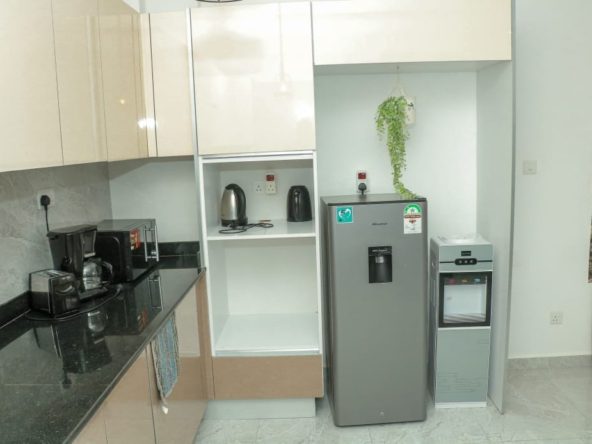
- Providing filtered drinking water solutions
- Using reusable kitchen containers
- Separating recyclable waste where possible
Even small operational adjustments can significantly reduce landfill contribution. Guests increasingly notice and appreciate eco-conscious practices.
4. Sustainable Cleaning Without Compromising Standards
Cleaning is critical to Airbnb success, yet excessive chemical use and unnecessary linen cycles increase environmental impact.
Sustainable cleaning practices include:
- Using eco-friendly cleaning products
- Training cleaners on water efficiency
- Washing linens only when necessary
- Monitoring cleaning supply consumption
At Haven Suites, cleaning coordination is structured to maintain executive-level hygiene standards while promoting efficiency. Cleanliness and sustainability must coexist.
5. Durable Furnishing and Long-Term Design
Frequent replacement of low-quality furniture increases waste and cost. Sustainable Airbnb hosting emphasizes durability.
- Invest in long-lasting sofas and beds
- Choose energy-efficient refrigerators
- Select neutral interior designs that age well
- Maintain appliances regularly
Durability reduces long-term replacement costs and supports environmentally responsible operations.
For investors comparing models, understanding Airbnb vs traditional renting in Kenya also reveals how asset monitoring in short-term rentals can support long-term value preservation.
6. Supporting Local Suppliers and Service Providers
Sustainable Airbnb hosting is not only environmental — it is economic. Supporting local communities strengthens Kenya’s tourism ecosystem.
- Hire local cleaning teams
- Work with local maintenance technicians
- Purchase supplies from nearby vendors
- Recommend local restaurants and tour operators
According to global insights from Skift sustainability travel research, travelers increasingly value accommodations that positively impact local communities. Responsible hosting improves long-term market reputation.
7. Educating Guests Without Being Restrictive
Guests often want to support sustainability but need guidance. Clear, respectful communication improves participation.
- Gentle reminders about switching off AC
- Clear waste disposal instructions
- Water conservation notices in bathrooms
- Encouragement of responsible beach behavior
House guidelines should feel professional, not restrictive. Structured communication increases compliance without harming guest experience.
8. Monitoring Utility Consumption
One of the most overlooked aspects of sustainable Airbnb hosting is measurement. Tracking electricity, water, and maintenance frequency allows hosts to identify inefficiencies early.
Professional Airbnb management integrates utility oversight into structured systems. At Haven Suites, consumption patterns are monitored to prevent excessive usage and protect long-term margins.
Measurement enables improvement.
9. Sustainable Coastal Hosting Considerations
Beachfront properties in Diani and Nyali carry additional environmental responsibility.
- Prevent beach littering
- Maintain septic and drainage systems
- Manage outdoor water features efficiently
- Protect garden ecosystems
Coastal sustainability ensures long-term tourism viability. Protecting ecosystems protects demand.
10. Financial Benefits of Sustainable Airbnb Hosting
Many property owners assume sustainability increases cost. In reality, structured sustainable Airbnb hosting often:
- Reduces electricity bills
- Lowers water expenses
- Extends appliance lifespan
- Reduces replacement frequency
- Improves review performance
Environmental responsibility and financial efficiency frequently align.
Why Sustainable Hosting Strengthens Brand Positioning
Modern guests increasingly search for eco-conscious stays. Listings that demonstrate environmental awareness often:
- Receive stronger reviews
- Encourage repeat bookings
- Build positive brand perception
- Attract higher-value travelers
Sustainability can become a competitive advantage in crowded markets.
The Role of Professional Airbnb Management
Sustainable Airbnb hosting requires consistency. Without structured systems, eco-friendly practices become inconsistent or forgotten.
Professional short-term rental management — such as the systems implemented by Haven Suites — ensures:
- Utility monitoring
- Cleaning oversight
- Preventive maintenance
- Structured guest communication
- Operational discipline
Sustainability must be embedded into daily operations rather than treated as an occasional adjustment.
Final Thoughts: Sustainability Is Strategic
Sustainable Airbnb hosting in Kenya is not about perfection or expensive redesigns. It is about thoughtful operational decisions that reduce waste, conserve resources, and protect property value.
As tourism and executive travel continue to expand across Nairobi and the Coast, environmentally responsible hosting will increasingly influence guest decisions.
Property owners who adopt sustainable practices early position themselves as professional, forward-thinking operators.
At Haven Suites, sustainability is integrated into structured short-term rental management — balancing guest comfort, asset protection, and environmental awareness.
Because in today’s hospitality market, responsible hosting is not only ethical.
It is strategic.