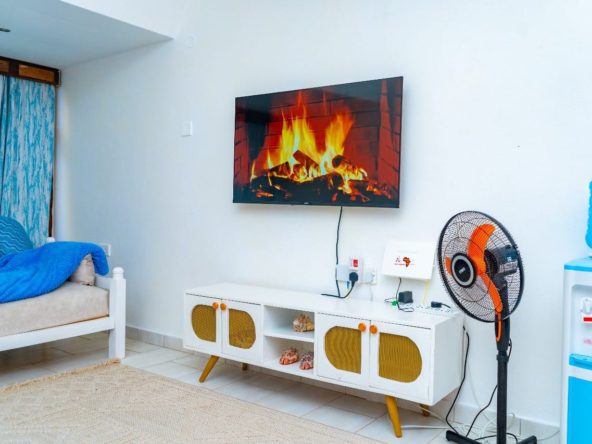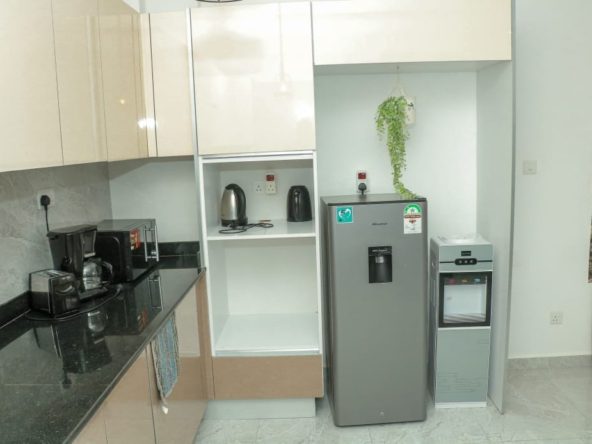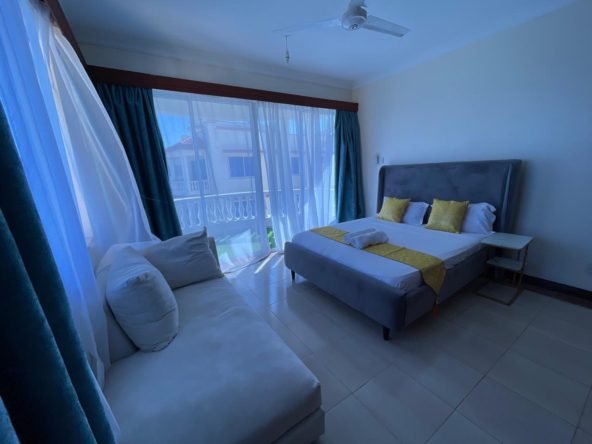

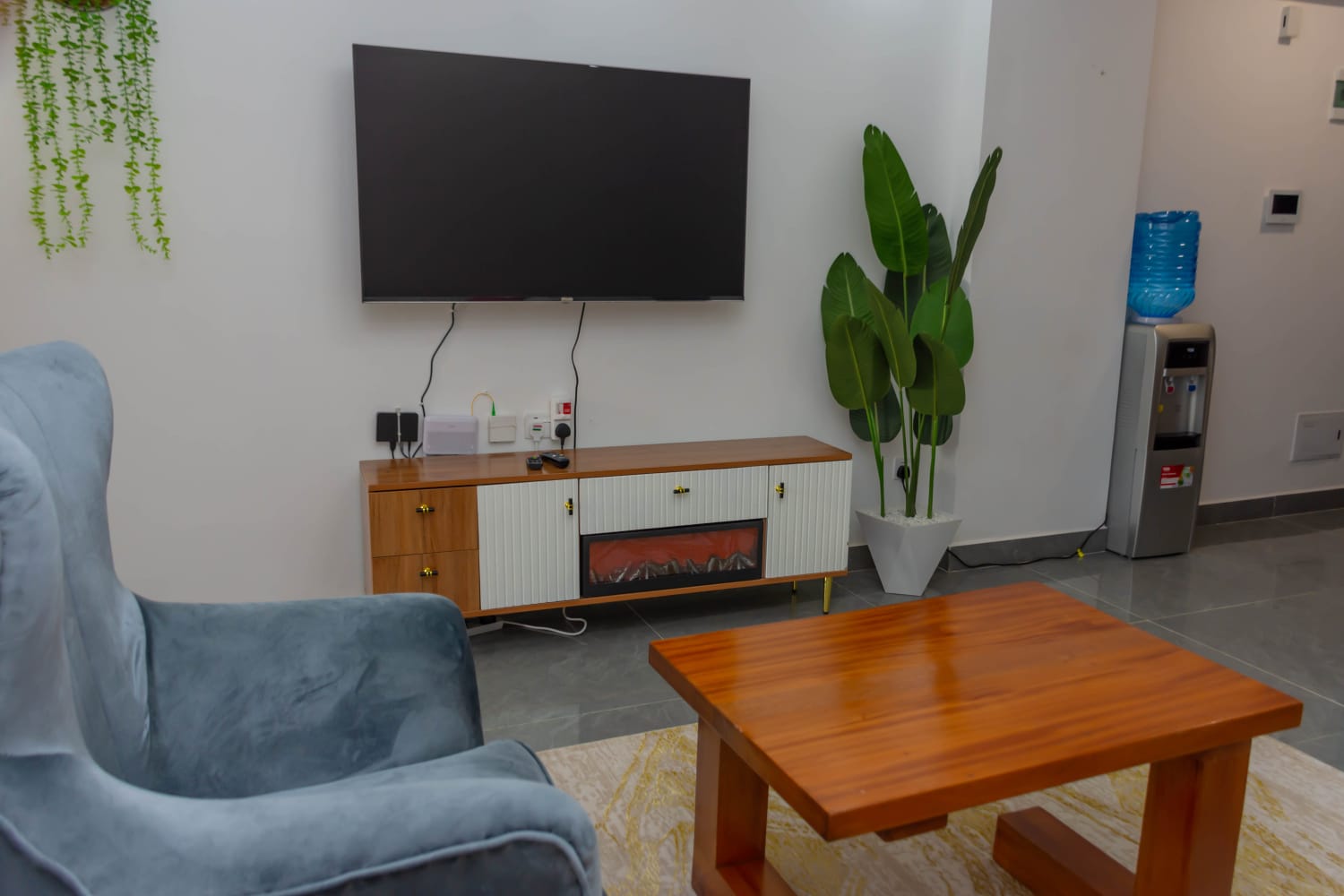
Diani-short-term rental investment has become one of the most discussed real estate opportunities along Kenya’s Coast. Known for its white sand beaches, turquoise waters, and relaxed atmosphere, Diani Beach has long attracted both domestic and international travelers. In recent years, however, the area has evolved beyond being purely a holiday destination. Modern apartment developments, gated communities, and beachfront villas are increasingly marketed to investors seeking structured short-term rental income.
This shift raises a serious investment question: is Diani truly a sustainable short-term rental opportunity, or is it simply riding tourism hype?

Understanding the Diani Short-Term Rental Investment Landscape
The performance of a Diani short-term rental investment depends heavily on tourism demand cycles. Unlike executive-driven Nairobi zones such as Westlands or Riverside, Diani’s market is primarily leisure-focused.
Demand is driven by:
- Domestic tourism from Nairobi and Mombasa
- International holiday travelers
- Diaspora visitors
- Family vacations
- Remote workers seeking coastal stays
- Long weekend getaways
This leisure-driven demand structure makes seasonality one of the most important factors when evaluating a Diani short-term rental investment.
1. Demand Strength & Seasonality
Diani experiences strong booking surges during:
- December and January festive season
- Easter holidays
- August school breaks
- Long weekends
During peak periods, premium beachfront apartments and villas can command significantly higher nightly rates. However, off-peak months may experience slower activity.
This differs from Nairobi’s more consistent corporate demand, as explored in comparing Airbnb to traditional renting in prime Nairobi locations, where executive traffic provides year-round stability.
For Diani short-term rental investment to remain profitable, active pricing management is essential.
2. Property Type Determines Performance
Not all properties perform equally in Diani. Location and amenities heavily influence occupancy and pricing power.
High-performing units often include:
- Beachfront apartments
- Private villas with pools
- Gated developments with security
- Units with backup power and fast WiFi
- Properties within walking distance of beach access
Investors evaluating a Diani short-term rental investment should assess proximity to the beach, access roads, and infrastructure reliability before purchase.
Beach access alone can significantly influence nightly rate potential.
3. Income Potential vs Traditional Renting
Traditional renting in Diani offers predictable but capped returns.
Example:
2-bedroom long-term rental at KES 80,000 per month = KES 960,000 annually.
Short-term rental example:
KES 12,000 per night × 20 peak nights = KES 240,000 in a strong month.
Even accounting for off-season adjustments, a structured Diani short-term rental investment may outperform traditional leases — particularly in high-demand beachfront zones.
However, performance depends heavily on occupancy management and pricing discipline.
For investors comparing models, short-term rentals vs long-term tenants in Kenya offers deeper structural comparisons.
4. The Reality of Seasonality Risk
Seasonality is the most significant variable in a Diani short-term rental investment.
Unlike Nairobi’s executive-driven demand, Diani depends on tourism cycles. Investors must plan for:
- Lower occupancy outside peak holidays
- Discounted mid-season pricing
- Occasional extended vacancies
- Strategic long-stay promotions
Professional management mitigates this volatility through:
- Dynamic pricing systems
- Adjusting minimum stay requirements
- Offering off-season monthly discounts
- Competitor pricing analysis
Without structured oversight, occupancy fluctuations can significantly reduce returns.
5. Operational & Maintenance Considerations
A Diani short-term rental investment requires active maintenance awareness. Coastal properties face unique environmental pressures including:
- Salt air corrosion
- Humidity-related appliance strain
- Increased linen wear
- Higher AC usage
Preventive maintenance becomes essential to protect asset value.
According to tourism growth insights shared in Skift’s coastal tourism growth outlook, African coastal destinations are seeing steady recovery and expansion, which increases both opportunity and competition.
Growth without maintenance discipline can quickly erode returns.
6. Infrastructure & Long-Term Outlook
Diani’s long-term growth prospects remain positive due to:
- Improved road connectivity
- Growing domestic travel culture
- Increasing remote work adoption
- Continued real estate development
However, as supply increases, competition intensifies. A Diani short-term rental investment without structured management may struggle in an increasingly crowded market.
7. Entry Cost vs ROI Potential
Compared to prime Nairobi neighborhoods like Westlands and Riverside, Diani may offer:
- Lower entry cost (depending on beachfront proximity)
- Stronger peak-season pricing
- Tourism-driven appreciation potential
Investors must evaluate:
- Average daily rate (ADR)
- Expected occupancy rate
- Utility costs
- Maintenance expenses
- Management fees
ROI is determined not only by income, but by operational efficiency.
8. Who Should Consider Diani Short-Term Rental Investment?
Diani may suit investors who:
- Understand tourism seasonality
- Have flexible income expectations
- Use professional property management
- Seek coastal diversification
- Value long-term tourism growth
It may be less ideal for investors requiring fully predictable monthly income year-round.
The Role of Professional Management
Diani short-term rental investment is not passive. It requires:
- Dynamic pricing adjustments
- Guest communication systems
- Cleaning coordination
- Preventive maintenance
- Performance tracking
At Haven Suites, our coastal management systems are designed to balance seasonality, optimize occupancy, and protect asset value. Structured short-term rental management stabilizes performance even during slower tourism cycles.
Is Diani a Good Location for Short-Term Rental Investment?
The honest answer is yes — but only with strategy.
Diani offers:
- Strong peak-season tourism demand
- Premium beachfront positioning
- Long-term tourism growth outlook
- Attractive lifestyle appeal
But it also requires:
- Active pricing management
- Seasonality planning
- Preventive maintenance systems
- Professional operational oversight
A Diani short-term rental investment is not a seasonal gamble when structured properly.
Strategic Conclusion
Diani remains one of Kenya’s most attractive coastal short-term rental zones. However, successful investors approach it as a structured business, not a holiday experiment.
Peak season returns can be strong. Long-term stability depends on disciplined management.
At Haven Suites, we treat coastal properties as operational assets requiring pricing intelligence, preventive maintenance, and structured guest management.
Because in tourism-driven markets like Diani, performance is operational — not accidental.