

Eco-friendly Airbnb practices in Kenya are no longer a niche concept reserved for luxury eco-lodges or boutique retreats. Sustainability is becoming a practical, operational necessity for property owners across Nyali, Diani, Westlands, Riverside, Kilimani, and Gigiri. As tourism grows along the Coast and executive travel increases in Nairobi, short-term rentals are placing additional pressure on water supply, electricity consumption, and waste systems. At the same time, guests are becoming more environmentally conscious, and rising utility costs are directly affecting profitability.
For property owners operating short-term rentals, adopting eco-friendly Airbnb practices in Kenya is both an environmental responsibility and a smart financial decision.

Why Sustainability Matters in the Kenyan Short-Term Rental Market
Kenya’s short-term rental hotspots include Nyali, Bamburi, Diani, Westlands, Riverside, Kilimani, and Gigiri. These locations are experiencing consistent growth in short-stay demand. Coastal regions face seasonal tourism spikes that increase strain on water systems and beach ecosystems, while Nairobi’s executive zones are seeing rapid apartment development and rising electricity consumption.
Globally, hospitality trends show that sustainability is influencing booking decisions. Insights from McKinsey’s travel sustainability research indicate that modern travelers increasingly prefer accommodation providers that demonstrate environmental responsibility.
In Kenya, eco-friendly Airbnb practices are not just about branding — they directly affect cost control, review sentiment, and long-term asset protection.
1. Energy Efficiency: Lowering Electricity Consumption
Electricity is one of the highest recurring operational costs in Airbnb management. Air conditioning, water heaters, refrigerators, lighting, and entertainment systems all contribute to high monthly bills.
Practical energy-focused eco-friendly Airbnb practices in Kenya include:
- Installing LED lighting throughout the unit
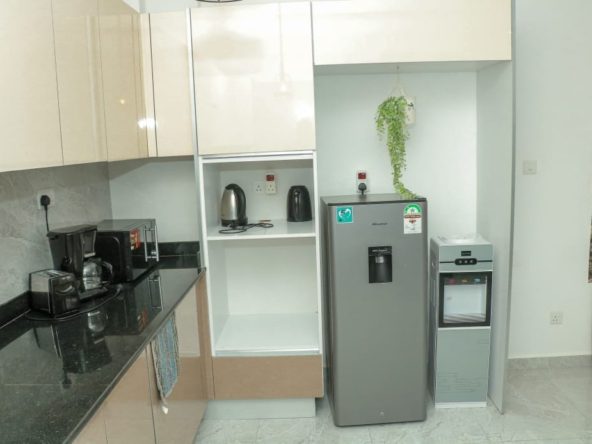
- Using energy-efficient refrigerators and appliances
- Installing smart timers for water heaters
- Encouraging guests to switch off AC when leaving
- Using inverter systems where feasible
Reducing electricity consumption lowers operational costs while minimizing environmental impact. In executive markets like Westlands and Riverside, where guests expect air conditioning and fast WiFi, efficiency becomes essential for profitability.
2. Responsible Water Usage Along the Coast
Water conservation is especially important in coastal areas like Nyali and Diani, where supply systems can be strained during peak seasons.
Effective eco-friendly Airbnb practices Kenya in water management include:
- Installing low-flow showerheads
- Repairing leaks immediately
- Providing clear communication about responsible water use
- Running full laundry loads instead of partial cycles
- Monitoring abnormal consumption spikes
Professional short-term rental management helps detect unusual water usage patterns early. Preventive oversight reduces both environmental strain and unexpected utility bills.
3. Reducing Single-Use Plastics
Short-term rentals often generate unnecessary waste through disposable toiletries and bottled water.
Eco-friendly Airbnb practices Kenya can reduce plastic waste by:
- Installing refillable soap dispensers
- Providing filtered drinking water solutions
- Using reusable kitchen containers
- Avoiding individually packaged toiletries
Small operational adjustments significantly reduce waste output without affecting guest comfort.
4. Sustainable Cleaning & Linen Management
Cleaning is non-negotiable in Airbnb operations, but excessive chemical usage and inefficient laundry cycles increase environmental impact.
Sustainable cleaning strategies include:
- Using eco-friendly cleaning products
- Training staff on efficient water use
- Washing full linen loads rather than small batches
- Maintaining structured turnover schedules
At Haven Suites, structured housekeeping systems ensure high hygiene standards while minimizing resource waste. Cleanliness and sustainability can coexist when operations are organized.

Additional operational frameworks are explored in standard operating procedures every Airbnb should have, where sustainability can be embedded into daily processes.
5. Supporting Local Suppliers
Sustainability is also economic. Eco-friendly Airbnb practices in Kenya include strengthening local ecosystems by:
- Hiring local cleaning teams
- Using local maintenance providers
- Sourcing supplies from nearby vendors
- Recommending local businesses to guests
This approach supports community growth and reinforces responsible tourism — particularly important in coastal areas where local livelihoods depend on hospitality.
6. Encouraging Responsible Guest Behavior
Guests play a role in sustainability. Clear but polite house guidelines can encourage:
- Switching off lights and AC when leaving
- Responsible water usage
- Proper waste disposal
- Respect for neighborhood rules
Professional communication structures ensure sustainability messaging feels informative rather than restrictive. Clear guidelines often improve guest satisfaction because expectations are transparent.
7. Waste Management & Recycling
Recycling infrastructure in Kenya continues to develop, but property owners can still implement basic waste separation practices.
Eco-friendly Airbnb practices Kenya may include:
- Providing separate bins for plastic and general waste
- Reducing disposable kitchen items
- Partnering with local recycling collectors where available
Even modest improvements reduce environmental footprint significantly over time.
8. Sustainable Furnishing & Interior Choices
Furniture durability is an overlooked sustainability strategy. Cheap furnishings increase replacement frequency and waste.
When furnishing Airbnb units, consider:
- Durable, long-lasting materials
- Energy-efficient appliances
- Neutral, timeless design
- Quality mattresses that reduce replacement cycles
Long-lasting assets protect profitability and reduce environmental strain.
9. Eco-Friendly Practices Improve Market Positioning
Modern executive and international travelers increasingly evaluate environmental impact when booking accommodation.
Eco-friendly Airbnb practices Kenya can:
- Improve review sentiment
- Attract environmentally aware guests
- Increase repeat bookings
- Strengthen brand credibility
Sustainability is becoming a competitive advantage in Nairobi’s corporate market and along Kenya’s Coast.
10 Financial Benefits of Sustainable Hosting
Beyond environmental responsibility, eco-friendly Airbnb practices Kenya reduce:
- Electricity bills
- Water bills
- Appliance wear
- Maintenance frequency
Lower operational costs increase net returns. Sustainability improves profitability over time.
The broader financial implications of short-term rental performance are discussed in the context of forecasting Airbnb income before buying property in Kenya, where operational efficiency directly affects projections.
Sustainable Hosting in Coastal Kenya
In Nyali and Diani, sustainability must account for beach preservation, water conservation, and tourism pressure.
Responsible hosting protects the very ecosystems that drive guest demand.
Sustainable Hosting in Nairobi
In Westlands, Riverside, and Kilimani, sustainability focuses more heavily on electricity efficiency and waste reduction in high-rise living environments.
Urban energy demand continues to rise, making eco-friendly Airbnb practices Kenya even more essential.
The Role of Professional Airbnb Management
Implementing eco-friendly systems consistently requires operational discipline. Professional Airbnb management ensures:
- Utility monitoring
- Structured cleaning oversight
- Preventive maintenance checks
- Clear guest communication
- Data-driven performance tracking
At Haven Suites, sustainability is integrated into structured short-term rental systems across Nyali, Diani, Westlands, and Riverside. Professional systems transform sustainability from intention into measurable performance.
Final Perspective
Eco-friendly Airbnb practices Kenya are not about expensive renovations or luxury upgrades. They are about responsible operational decisions that protect both the environment and long-term profitability.
As tourism and executive travel continue to grow, sustainability will increasingly influence booking decisions. Property owners who adopt eco-friendly strategies early position themselves as forward-thinking operators in an evolving market.
In modern hospitality, sustainability is not just ethical — it is strategic.